In recent years, we've seen a real jump in the demand for Commercial UAV Solutions across a bunch of different industries. These drones and tech solutions are changing the game, making things more efficient and boosting productivity. But honestly, with so many options out there, figuring out the right one can be pretty overwhelming for businesses. Picking the perfect commercial UAV isn't just a quick decision — it takes some careful thought.
First off, it's super important to really understand what you need. Not every drone suits the same job. Some are great for farming, others work better for construction sites or security patrols. So, taking the time to assess what your specific operational needs are is key.
Also, don’t forget that not all providers are the same. Brands like DJI and Skydio each have their strengths, but they come with their own set of limitations too. When shopping around, things like how reliable they are, their customer support, and what kind of tech they offer should really influence your decision. Doing a bit of homework upfront can save you from making costly mistakes down the road.

Understanding the Commercial UAV Market Landscape in 2026
The commercial UAV market in 2026 is evolving rapidly. Many businesses are realizing the potential of drones in various sectors, from agriculture to logistics. They boost efficiency and reduce operational costs. This shift is driven by technological advancements and increasing regulatory support.
Understanding the landscape is crucial for success. Various UAV solutions cater to specific needs. Factors to consider include payload capacity, flight time, and camera quality. Additionally, the level of automation can vary greatly. This complexity can make choosing the right solution challenging.
Moreover, there are many variables, such as integration with existing systems. Not all UAVs offer the same level of compatibility. Often, companies underestimate the training needed for effective operation. Evaluating these elements ensures that businesses make informed decisions. The evolving market presents opportunities but requires careful consideration.
2026 Commercial UAV Solutions Market Comparison
Key Factors Influencing the Selection of Commercial UAV Solutions
When selecting a commercial UAV solution, several key factors come into play. Understanding the intended application greatly influences your choice. For instance, aerial photography requires different features than agricultural monitoring. Each use case demands specific capabilities. You might prioritize endurance for larger areas or resolution for close-up inspections.
Another important aspect is regulatory compliance. UAV operations are subject to various laws. Familiarizing yourself with local regulations is crucial. Some regions may enforce restrictions on flight heights or areas. Ignoring these rules can lead to serious consequences. It’s vital to stay informed and adapt accordingly.
Cost-effectiveness also warrants careful consideration. The initial investment can be significant. However, long-term savings from efficiency gains may justify higher upfront costs. Evaluate the total cost of ownership. Factor in maintenance and potential upgrades. Making a well-rounded decision will enhance the UAV’s performance in the field. Balancing these factors can be tricky but is essential for successful implementation.
Evaluating UAV Technical Specifications and Capabilities
Choosing the best commercial UAV solutions requires careful evaluation of their technical specifications and capabilities. According to a 2022 report by MarketsandMarkets, the UAV market is expected to grow from $24 billion in 2021 to over $50 billion by 2026. This explosive growth underscores the importance of selecting the right UAV based on specific operational needs.
When assessing UAVs, consider payload capacity, flight time, and range. A UAV with advanced payload capabilities can carry specialized cameras or sensors, enhancing operational effectiveness. Flight time is crucial; reports show that the average commercial drone can fly for about 30 to 45 minutes. However, some models offer extended flight times of up to 90 minutes. This factor directly impacts your project’s efficiency.
Moreover, the integration of AI and automated systems in modern UAVs enhances their intelligence and usability. The American Institute of Aeronautics and Astronautics emphasizes the role of data analytics in improving flight performance and decision-making. Customers may overlook the importance of tech support and updates. Ensuring reliable after-sales service can prevent operational hiccups. A UAV that requires frequent software updates may disrupt workflow. Balancing cutting-edge technology with operability is critical for long-term success.
Analyzing Cost-Effectiveness of Commercial UAV Choices
When selecting commercial UAV solutions, cost-effectiveness is a crucial factor. Many businesses overlook hidden expenses. Initial investment is just the tip of the iceberg. Operational costs, maintenance fees, and the need for skilled pilots can add up quickly. Evaluating these elements leads to a more informed decision.
Consider the potential return on investment (ROI). A UAV might have a lower purchase price but higher operational costs. Conversely, a more expensive UAV might offer greater efficiency and reliability. The right choice should streamline processes and enhance productivity. It’s essential to reflect on your specific needs.
Don’t rush the decision-making process. Gather data, seek expert opinions, and analyze case studies. Investing in a UAV is a long-term commitment. Ensure that your choice meets current and future operational demands. Engage with industry experts for insights on cost trends and features. This thorough investigation will yield a solution that aligns with your budget and operational goals.
Assessing Regulatory Compliance and Safety Standards
Navigating the commercial UAV landscape requires a keen understanding of regulatory compliance and safety standards. Each nation has its own set of rules, which may evolve quickly. Keeping updated with these regulations is vital for businesses aiming to use UAVs effectively. Consider consulting with experts who specialize in aviation law to ensure adherence to local and international requirements.
Safety standards are another crucial factor when selecting UAV solutions. These standards often dictate the design and operational practices of UAVs. Check for certifications that indicate compliance with industry safety benchmarks. However, certifications alone do not guarantee safety. Real-world testing and user feedback play significant roles in understanding a UAV’s reliability in various scenarios.
In a rapidly changing industry, it's critical to remain flexible and open to adjustments. Companies should frequently review their UAV solutions in light of new regulations and emerging safety guidelines. Feedback from operators can highlight unforeseen issues and areas for improvement. This iterative process is essential for long-term success in commercial UAV operations.
Identifying Industry-Specific UAV Applications and Solutions
The choice of a commercial UAV solution hinges on understanding specific industry needs. Various sectors employ UAVs for distinct purposes. In agriculture, UAVs optimize crop health monitoring, which leads to a
20% increase in yield, according to a report by the Association for Unmanned Vehicle Systems International (AUVSI). In construction, drones provide aerial photography for
site inspections, reducing project completion times by 15%.
Tip: Assess your industry requirements before selecting a UAV. This ensures the technology aligns with operational goals.
Data analytics is crucial in healthcare. UAVs are utilized for timely deliveries of medical supplies, particularly in remote areas. A study from the World Economic Forum indicates these systems can
speed up deliveries by 30%. However, identifying the right UAV can be challenging. The market is saturated with options, making thorough research essential.
Tip: Consider the UAV's range, payload capacity, and integrated software. Align these features with your operational demands for the best outcomes.
As the UAV landscape evolves, staying updated on advancements is vital. Innovations frequently emerge, presenting new opportunities and challenges. Exploring pilot programs can help evaluate UAV effectiveness in real-world scenarios.
Future Trends in Commercial UAV Technology and Usage
As we look towards 2026, the landscape of commercial UAV technology is rapidly evolving. Advancements in battery life and payload capacity are reshaping operational capabilities. Innovative designs are increasing efficiency in various industries. More precise sensors enhance data collection, making UAVs invaluable in fields like agriculture and logistics.
However, challenges remain. Regulations are still catching up with technology. Navigating airspace poses difficulties, especially in urban areas. There may be limitations in data security and privacy concerns, which require attention. Continuous improvement is necessary to address these issues effectively.
Market trends indicate a growing integration of AI and machine learning in UAV solutions. These technologies can optimize flight paths, improving overall performance. The future also hints at enhanced automation capabilities, allowing for more intricate tasks. Understanding these trends and potential drawbacks will be critical for businesses. Embracing new possibilities while being aware of limitations can lead to significant innovation.
2026 How to Choose the Best Commercial UAV Solutions?
| Dimension |
Data Type |
Performance Metric |
Usage Scenario |
| Payload Capacity |
Up to 25 kg |
Max load delivery range |
Package delivery in urban areas |
| Flight Time |
Up to 90 minutes |
Endurance rating |
Agricultural surveying |
| Max Range |
Up to 30 km |
Operational limit |
Infrastructure inspections |
| Camera Quality |
12 MP to 50 MP |
Image resolution |
Mapping and surveying |
| Automation Level |
Fully autonomous to manual |
Ease of use |
Emergency response |
FAQS
Each region has unique rules. Understanding these regulations is vital to avoid penalties.
While initial costs can be high, long-term savings may offset the investment. Evaluate total ownership costs.
Regular updates are necessary. Regulations can change quickly, affecting your UAV operations.
Yes, safety standards influence design and operation. However, certifications alone do not guarantee safety.
Real-world testing and operator feedback are crucial. This helps identify issues for continuous improvement.
Longer endurance allows for monitoring larger areas, which is vital for applications like agriculture.
Yes, ignoring regulations can result in serious legal repercussions. Always stay informed.
Definitely. Experts can provide valuable guidance on navigating complex aviation laws.
Feedback can reveal unforeseen issues and areas needing adjustment, fostering better performance overall.
Conclusion
The article titled "2026 How to Choose the Best Commercial UAV Solutions?" delves into the evolving landscape of the commercial UAV market, highlighting key factors that influence the selection of UAV solutions. It emphasizes the importance of understanding technical specifications and capabilities when evaluating options, along with analyzing cost-effectiveness to ensure budget alignment. Regulatory compliance and safety standards are also critical considerations, which can dictate the viability of certain UAVs in various industries.
Moreover, the article explores the significance of identifying industry-specific applications, which can vary significantly across sectors such as agriculture, construction, and logistics. By assessing future trends in commercial UAV technology, users can better navigate the rapidly changing market and make informed decisions that enhance operational efficiencies and meet specific organizational needs. Ultimately, the right Commercial UAV Solutions can significantly impact productivity and innovation in diverse industries.
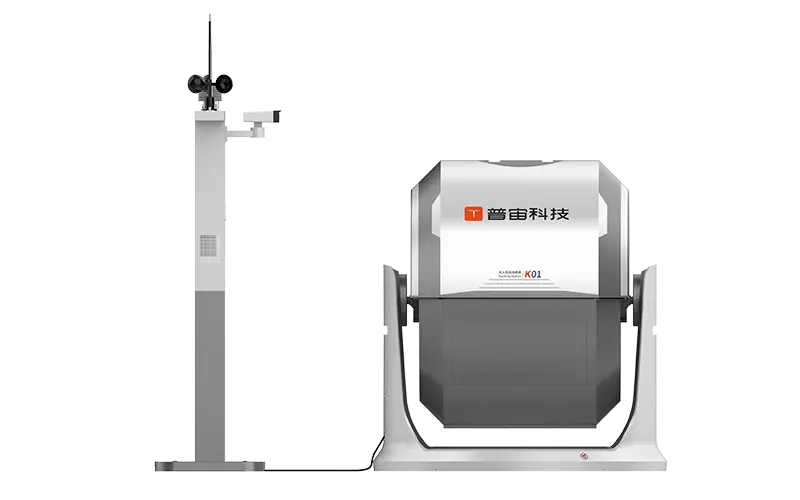 GDU
GDU
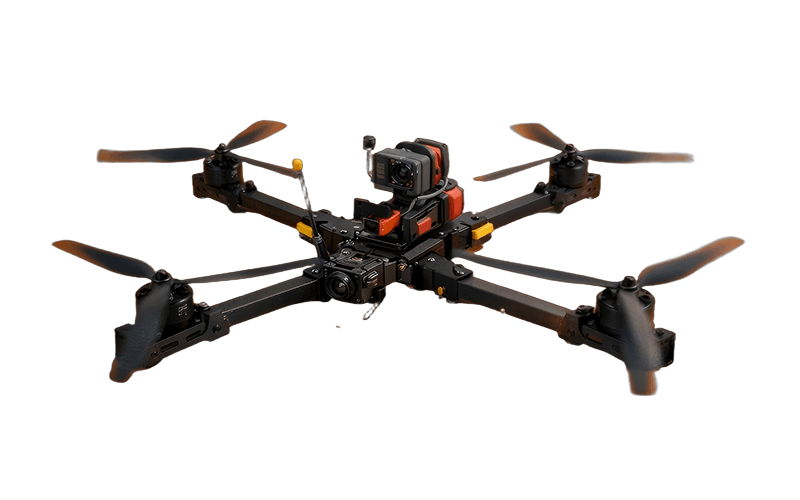 UUUFLY
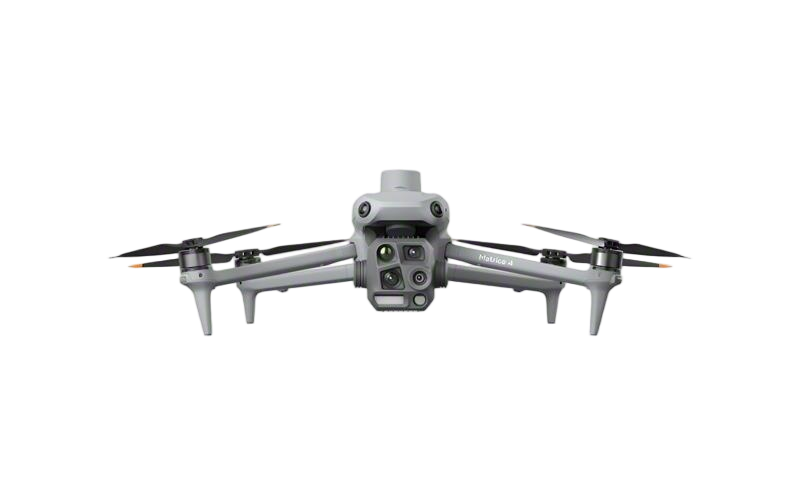 DJI
DJI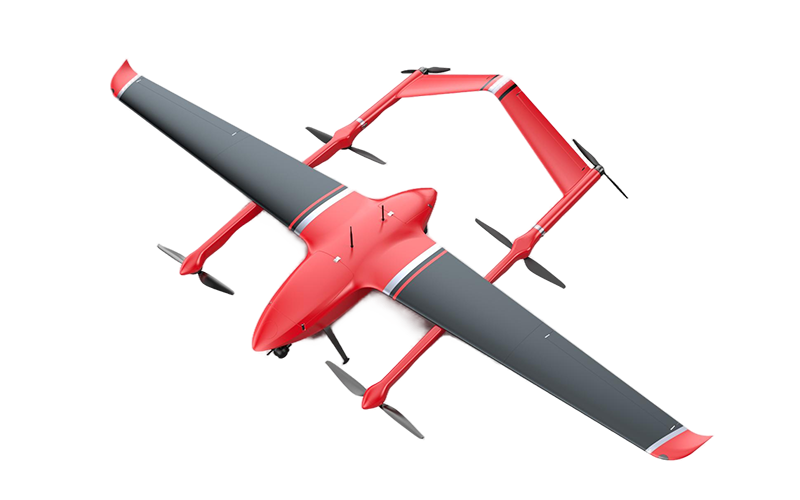 MMC
MMC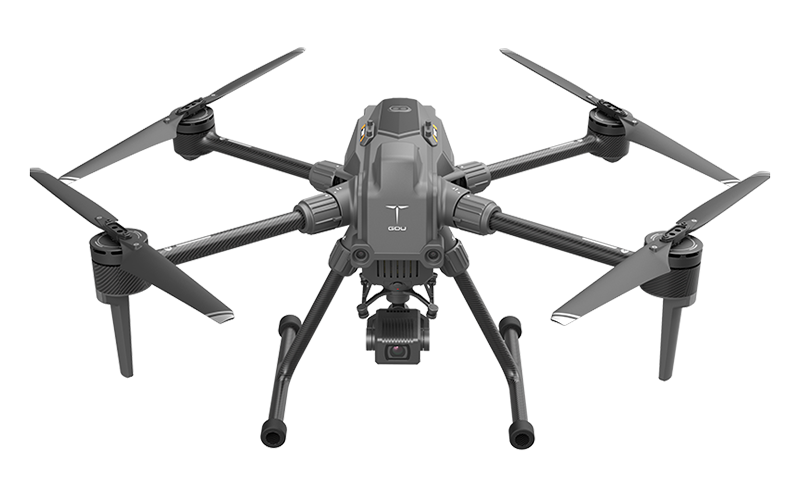 GDU
GDU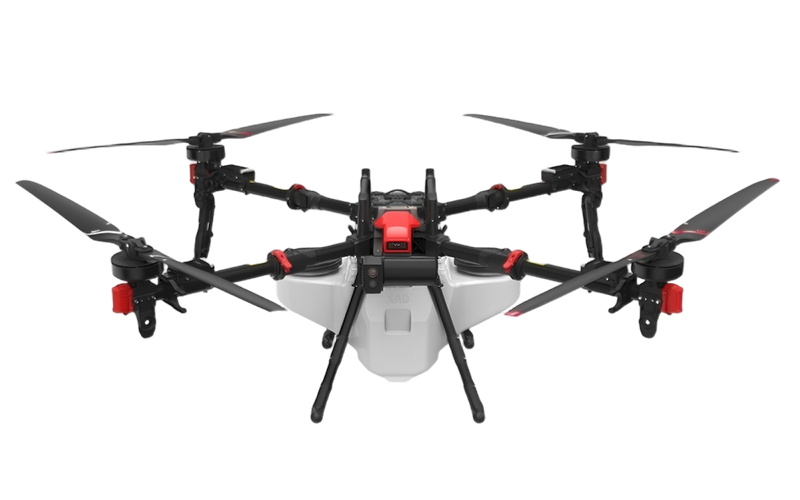 XAG
XAG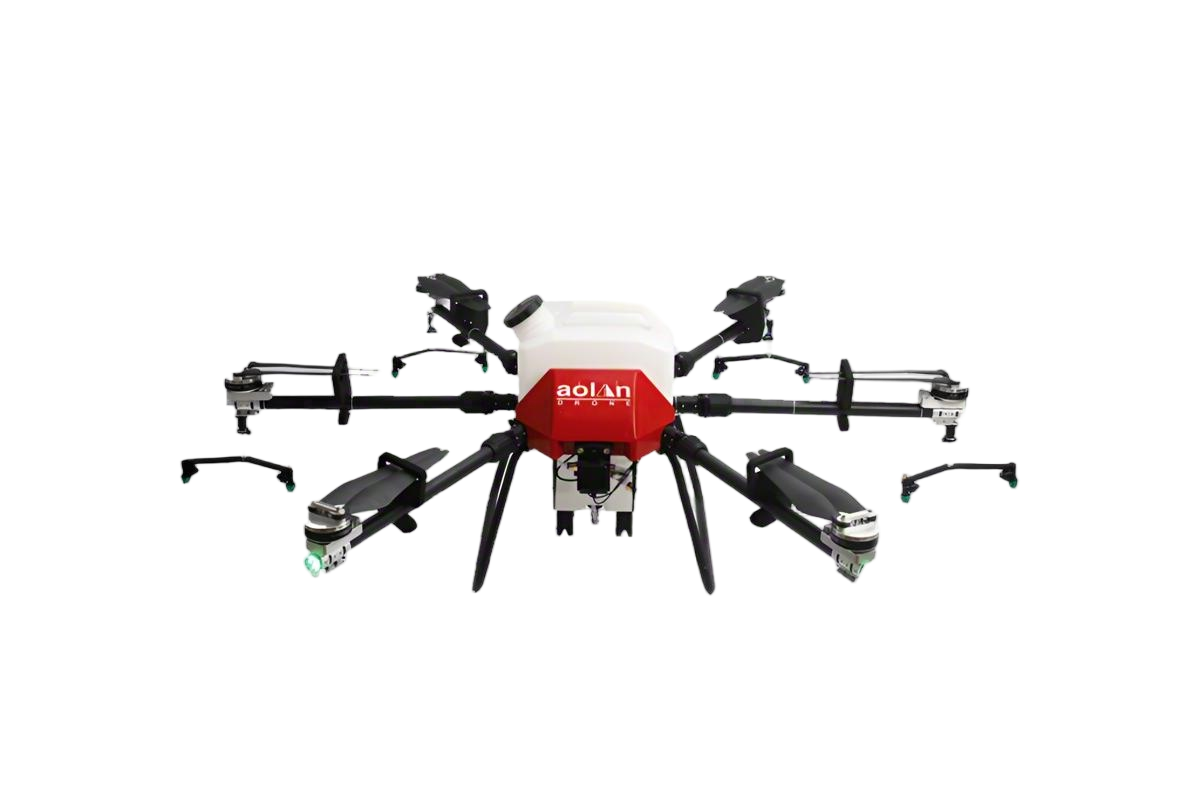 AOLAN
AOLAN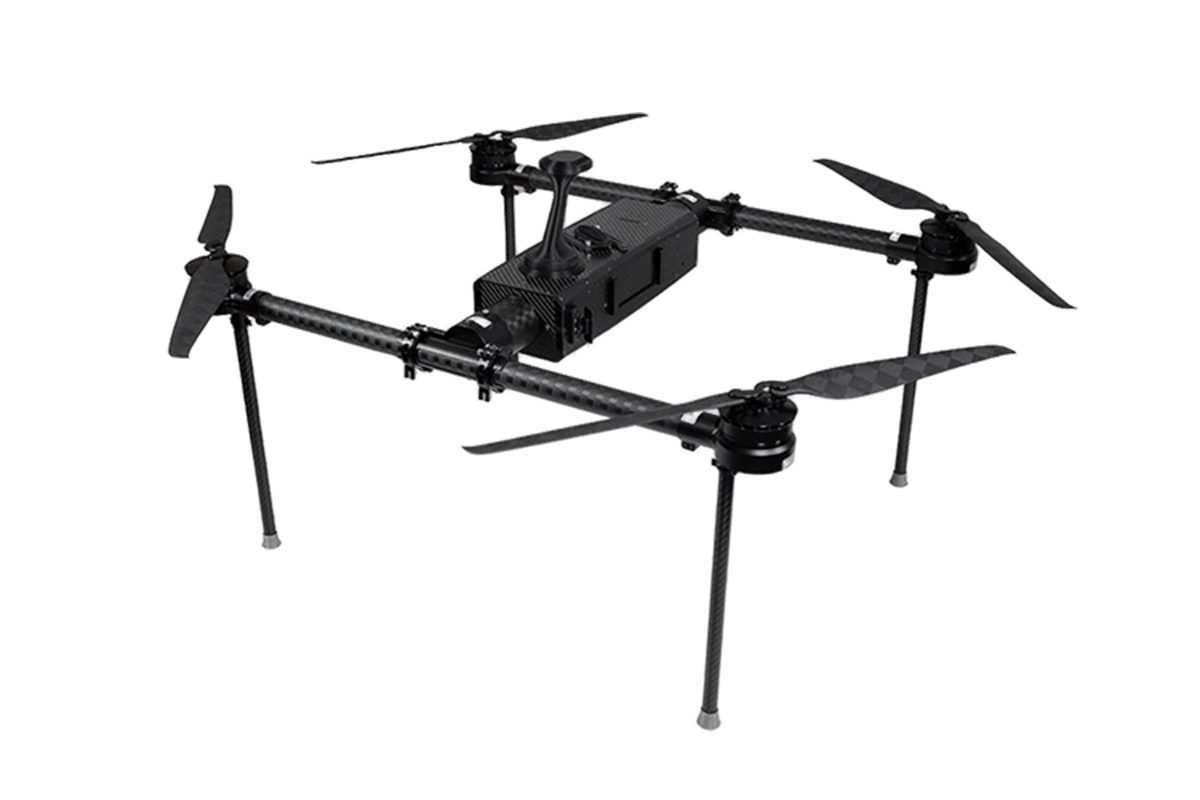 KEEL
KEEL SKY NEXT


