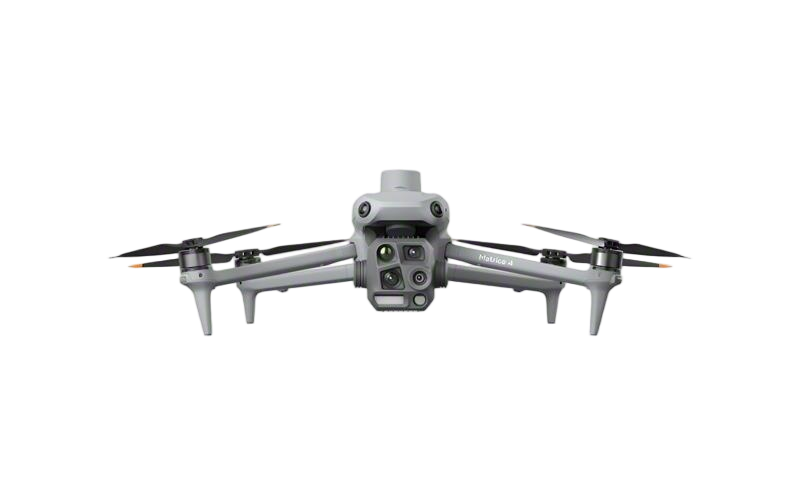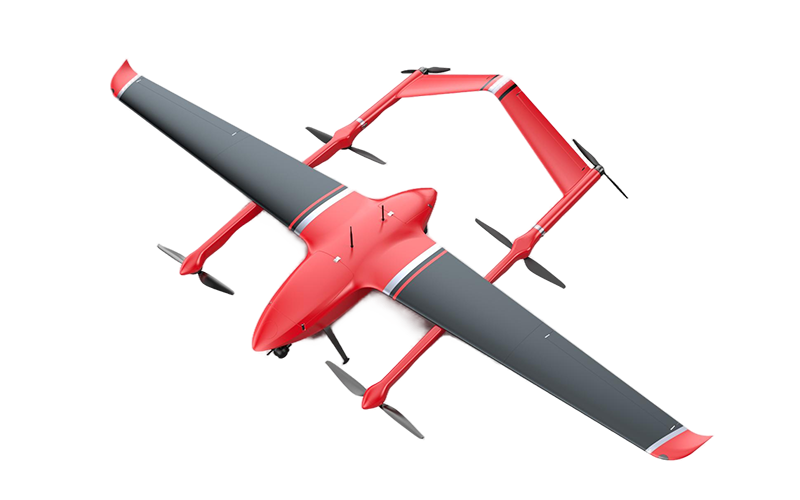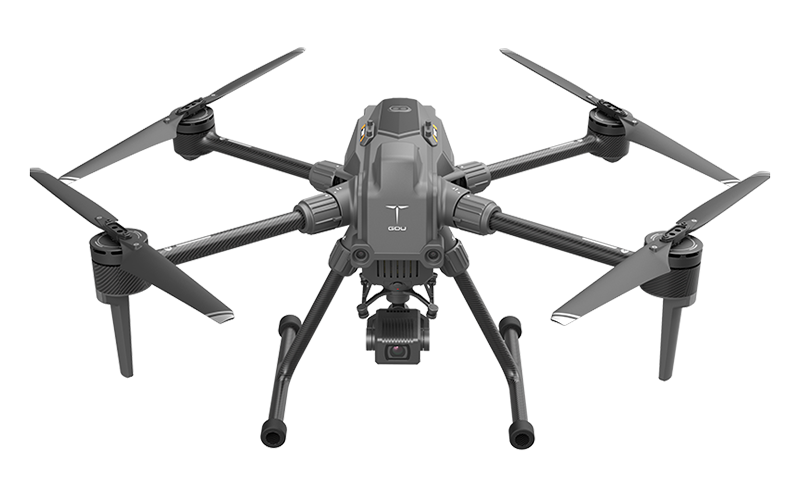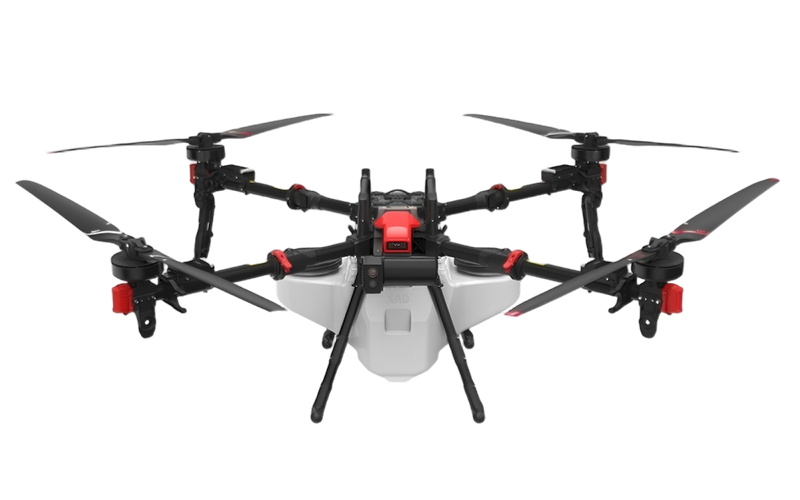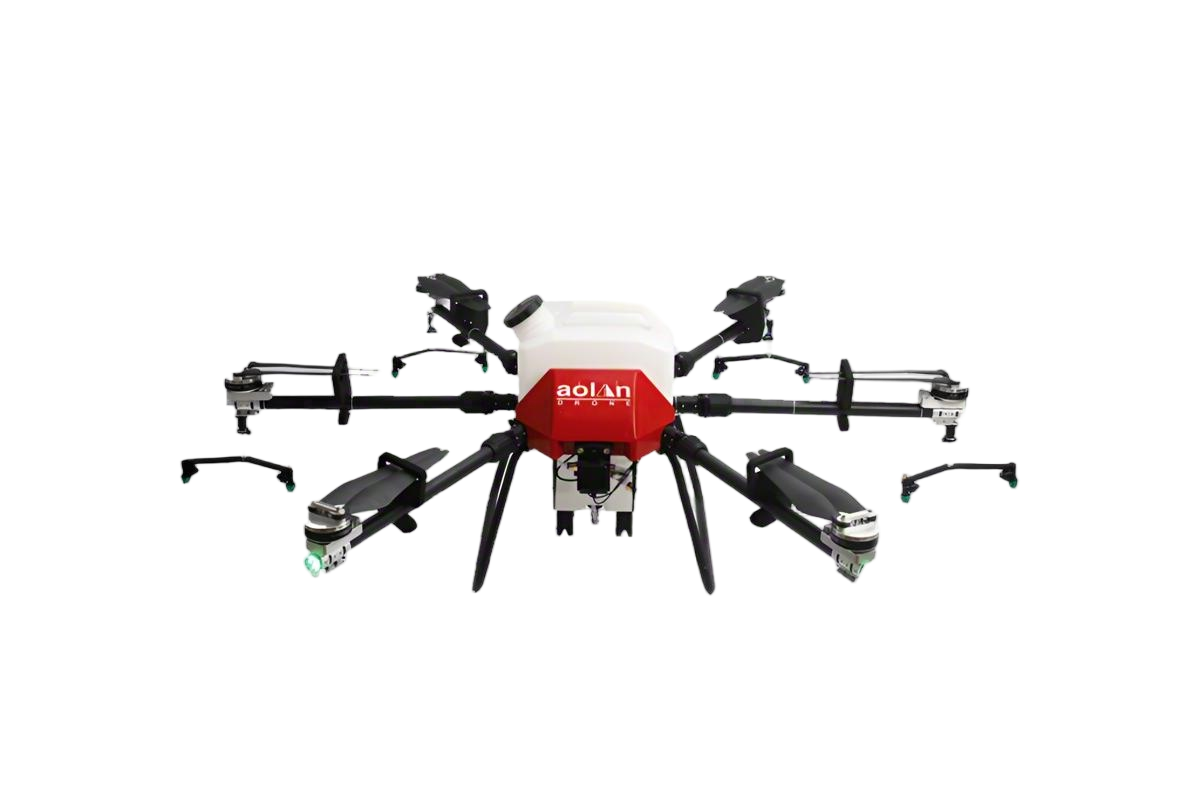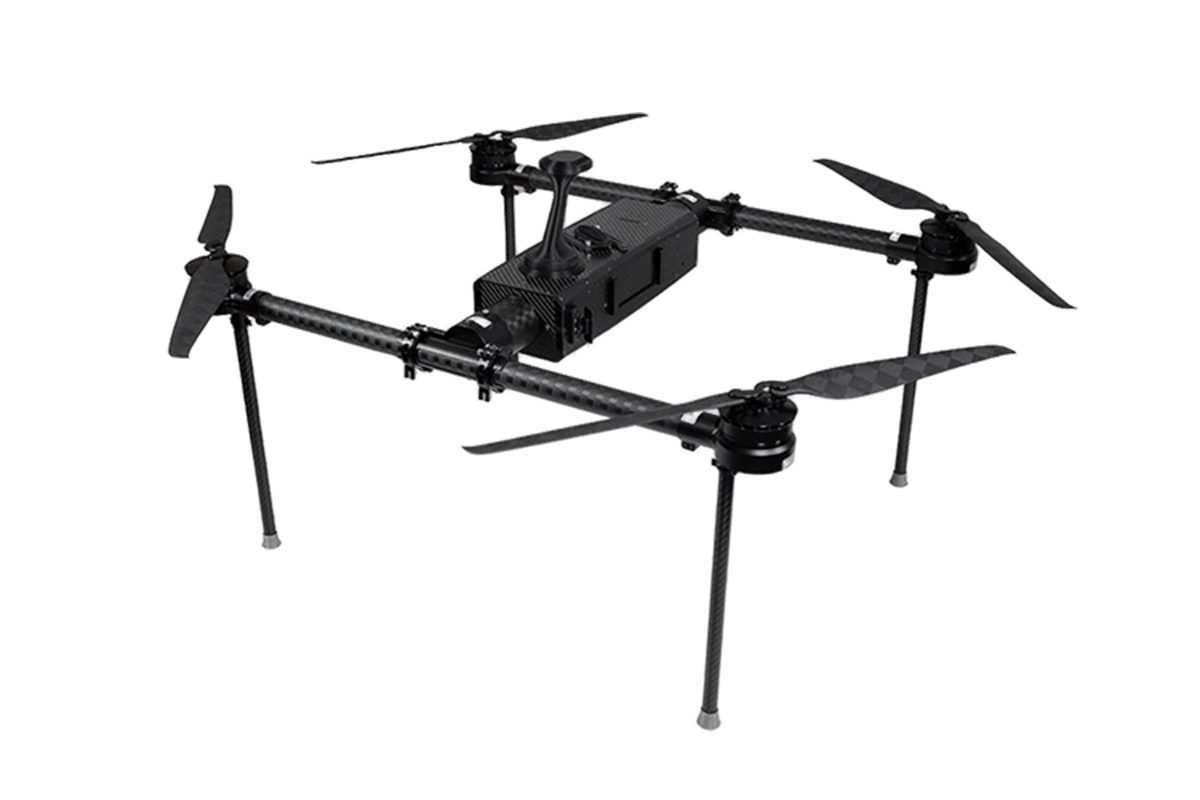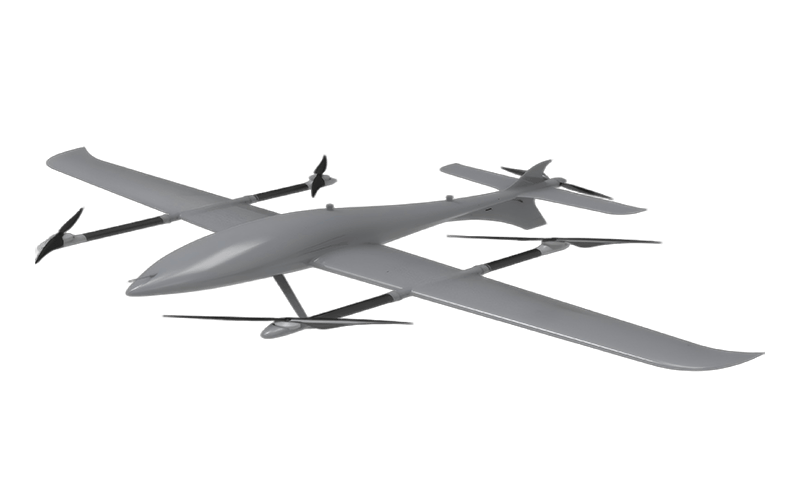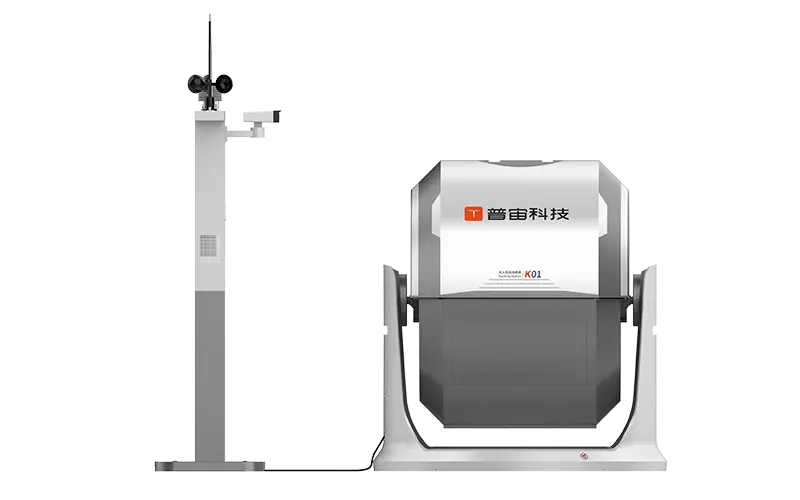
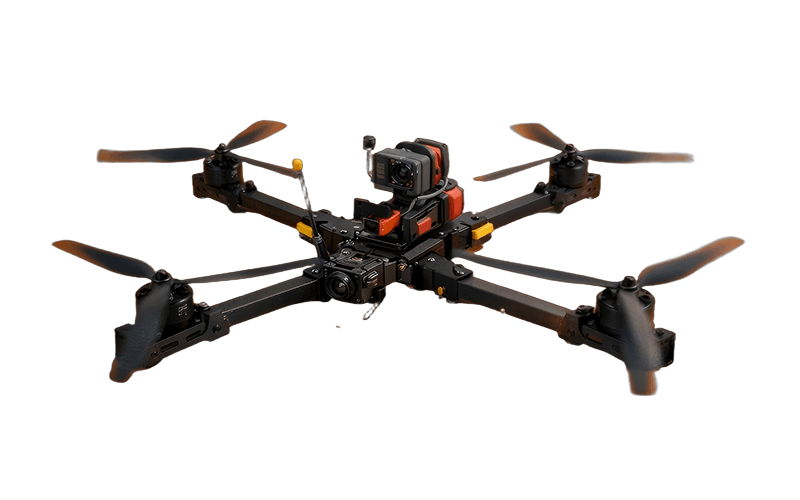
In today's fast-changing tech landscape, enterprise drones are really making waves for businesses everywhere. They’re not just cool gadgets; companies are using them for logistics, surveillance, and even monitoring crops. In fact, brands like DJI, EHang, and XAG are really leading the way in China. Each of these companies brings something unique to the table, helping satisfy the needs of businesses around the world — no matter what they’re looking for.
The buzz around reliable, efficient enterprise drones keeps growing every day. Companies from all sorts of industries are on the hunt for new and smarter ways to make their operations smoother. But here’s the thing — not all drones are the same. With so many models and features out there, it can be pretty overwhelming, especially if you’re new to this whole drone scene. It’s like trying to find a needle in a haystack.
Now, China really dominates this market, which is great — but it also raises some questions about quality and whether these products meet certain standards. If you’re thinking about buying, it’s super important to partner with reputable manufacturers. Do your homework: check their track record, read reviews, and see what other customers are saying. While many Chinese companies really do deliver quality stuff, some might not meet the mark, so staying on top of your research is key to avoiding issues down the line.
China's drone industry has experienced rapid growth in recent years. According to a report by the China Academy of Civil Aviation Science and Technology, the market value of the drone industry is expected to reach $10.9 billion by 2025. This growth is mainly driven by increasing demands across agriculture, logistics, and surveillance sectors. The country has become a key player in global drone technology, providing competitive solutions for various procurement needs.
In agriculture, drones are revolutionizing crop monitoring and management. Data from the China Agricultural University indicates that drone usage can increase crop yields by up to 20%. However, the industry still faces challenges, such as regulatory hurdles and technological limitations. International buyers seek reliable and high-performance drones, yet ensuring compliance with diverse regulations remains complex.
Moreover, as global demand surges, China’s focus on research and development is notable. A study from the Beijing Institute of Technology shows that around 30% of R&D spending in the drone sector is directed towards improving autonomous capabilities. While progress is evident, transparency in data collection remains critical. Addressing these issues will enhance China’s position in the global drone market and ensure sustainable growth.
The landscape of enterprise drones in China is rapidly evolving. With a market projected to reach $14 billion by 2025, these drones are becoming critical for procurement needs. These unmanned aerial vehicles (UAVs) offer impressive payload capacities, often exceeding 10 kg, making them suitable for various industries.
Key features of Chinese enterprise drones include advanced imaging technology. Many models come equipped with high-resolution cameras and LiDAR systems. These tools enhance data collection and analysis. They support tasks like inventory management and site surveys. A recent report indicated that 70% of logistics companies prioritize drones for improving supply chain efficiency. However, concerns about safety and regulatory compliance remain paramount. Data indicates that nearly 30% of enterprises experience hurdles in meeting local regulations.
Additionally, drones facilitate real-time data transmission. This ability supports data-driven decision-making. Yet, some companies struggle with integrating this technology into existing workflows. A reported 45% of users find the learning curve steep. This highlights the potential for increasing training programs. The intersection of technology and usability remains a critical area for growth in China's enterprise drone sector.
In recent years, the demand for enterprise drones has surged worldwide. Many Chinese companies have emerged as key players in this field. They focus on versatile applications like agriculture, logistics, and surveillance. These manufacturers combine advanced technology with local expertise. Their products often showcase impressive flight times and payload capacities.
Chinese drone companies invest heavily in research and development. They aim to improve safety features and enhance user interfaces. Many have gained recognition for high-quality builds and reliability. However, concerns about data security and customer support remain. These aspects could affect global trust in their products.
The competition among these manufacturers is fierce. Innovations happen rapidly, which can lead to rushed product launches. Customers may face inconsistencies in quality and performance. Industry players must prioritize long-term reliability over short-term gains. Building a solid reputation in the global market will take time and dedication.
In the global market for enterprise drones, Chinese manufacturers are gaining significant attention. Their innovation and cost-effectiveness often outshine their international competitors. Many Chinese drones come equipped with advanced technology, such as high-resolution cameras and AI-driven analytics. This provides businesses with enhanced data collection capabilities. However, concerns about reliability and consistency remain prevalent.
International competitors often emphasize product durability and service support. While some Chinese drones offer more features, they may lack comprehensive post-sale service. Users might experience difficulties in troubleshooting and repairing these devices. Additionally, the rapid pace of innovation can lead to models becoming obsolete quickly. Companies must weigh their needs against potential risks.
On the other hand, Chinese drones typically have a shorter delivery time and competitive pricing. This appeals to businesses looking to scale operations quickly. Still, organizations should carefully consider long-term implications. A balanced view of performance, support, and value is essential in making informed procurement decisions. Ultimately, the choice between Chinese and international drones reflects broader organizational priorities and strategy.
Integrating Chinese drones into global supply chains presents unique opportunities and challenges. These drones are becoming essential tools in logistics and delivery. Many businesses are exploring how to harness their capabilities.
One key advantage is the lower manufacturing cost of Chinese drones. This allows companies to enhance their supply chain efficiency without a significant financial burden. However, quality control remains a concern. It is vital to ensure that the drones meet international standards. Operating in diverse environments can lead to unexpected performance issues.
Tips: Always evaluate the technical specifications before procurement. Consider the after-sales support when choosing suppliers. Assess compatibility with your existing systems to ensure smooth integration. Drones can revolutionize logistics, but careful planning is crucial. Security and regulatory compliance should never be overlooked. Technology evolves rapidly, so staying informed is essential for successful integration.
When considering the procurement of Chinese drones, understanding regulatory frameworks is crucial. Countries often have strict rules governing the import of foreign technology. This is especially true in the aerospace sector. Compliance with local laws and international regulations can be a complicated process. Procurement teams must ensure that any purchase aligns with these guidelines. Failure to do so may result in penalties or restrictions.
Another aspect is the potential for varying standards across regions. Not every country has the same level of regulation or scrutiny. Some nations may impose additional restrictions due to security concerns. Businesses must conduct thorough due diligence. They should assess the local market, industry practices, and any geopolitical implications. Engaging with legal experts familiar with drone regulations can help navigate these complexities.
Despite these challenges, Chinese drone technology offers promising advancements. The features can enhance operational efficiency and reduce costs. However, technology reliability and cybersecurity must also be evaluated. This adds another layer to the decision-making process. Companies need to balance innovation with risk management. Overall, careful consideration of regulations will shape successful procurement strategies.
The landscape of enterprise drones is rapidly evolving. China is emerging as a key player in the global market. With rising demand, these drones are becoming pivotal for various sectors, including agriculture, construction, and logistics. High efficiency and cost-effectiveness are driving their adoption. However, not all innovations meet market needs. Some features may be overly complex, requiring careful evaluation.
Future trends indicate a shift towards smarter, more autonomous drones. These innovations aim to enhance usability while minimizing human intervention. Data integration and powerful analytical tools will likely play crucial roles. Yet, the reliability of these technical advancements can vary widely. Many users still face challenges in real-world applications. Ensuring data security and compliance remains an ongoing concern for many enterprises.
Regulatory frameworks are evolving, but gaps still exist. What works in one region may not function in another. As businesses explore international procurement, they must navigate these complexities. Continuous adaptation is essential. User feedback is vital for improving drone features and ensuring they truly serve their intended purposes.
: Agriculture, logistics, and surveillance are key sectors using these drones. They enhance efficiency in various operations.
Data security is a significant concern. Many users worry about how their information is handled and stored.
The lower manufacturing cost helps businesses improve efficiency without heavy financial strain. This is beneficial for many companies.
Evaluate technical specifications, after-sales support, and compatibility with existing systems. Careful planning is crucial.
Yes, quality control can vary. Some products may not meet international standards, leading to performance inconsistencies.
A shift toward smarter, more autonomous drones is likely. Innovations will focus on usability and reducing human intervention.
Regulations are evolving, but gaps exist. What works in one area may not work in another, complicating international trade.
User feedback is essential for improving features. It helps ensure drones fit users' actual needs and challenges.
The article "China Best Enterprise Drones for Global Procurement Needs?" provides an in-depth exploration of China's robust drone industry and its significant influence on global markets. It highlights the key features of Chinese enterprise drones, emphasizing their advanced technology, cost-effectiveness, and versatility in various procurement applications. Leading manufacturers in China are compared with international competitors, showcasing how Chinese enterprise drones are positioning themselves as viable options within the global supply chain.
In addition, the article addresses crucial regulatory considerations for importing Chinese drones and suggests pathways for integrating these technologies into existing operations. The analysis concludes with insights into emerging trends that may shape the future of enterprise drones from China, reflecting the industry's ongoing innovation and adaptation to global demands.